Author Archives: Sofa King Next Level

My Big Fat Coffee: Foundation Drink No. 4

So you’ve smuggled in all this grass-fed butter, now what? It’s not like you can spread it on toast, sandwiches or pancakes. Not in a dream world, anyway. (A dream world is one where you don’t eat sugar and grains, FYI. In case that wasn’t clear).

So you can bake with it (almond/coconut flour to the rescue), melt it on your vegetables, add to sauces and gravies (what a great emulsifier!) but short of just eating it, you might find yourself running out of ways to answer the age-old question: How can I get more butter in my life?

JUST ADD IT TO YOUR COFFEE

This sounds crazy, I know!  But it’s not my idea. This comes from The Bulletproof Executive and tons of people are doing it. Don’t be the last to the party.

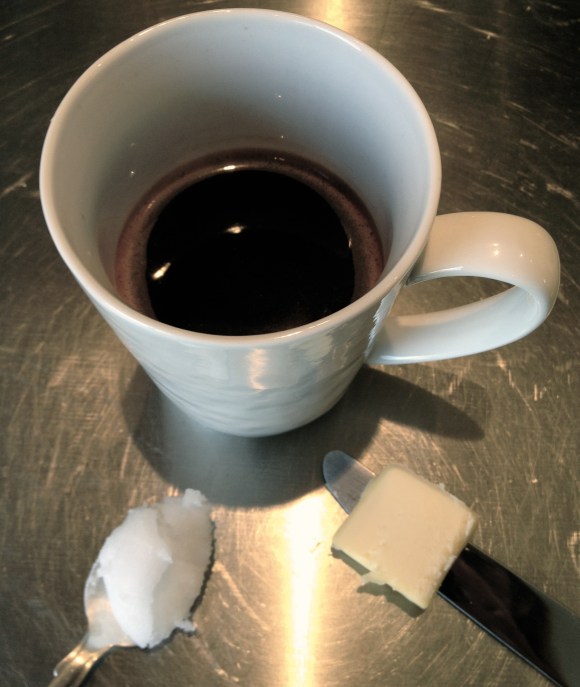
coffee butter coconut oil

THE WAY I DRINK IT

1 TBS grass-fed butter
1 TBS quality coconut oil
espresso or coffee

And then I sometimes add a little raw milk to cool it down and make it creamier.

If you only add coconut oil, which I sometimes do, you will get a pool of oil on the surface of your coffee. It’s not the worst and you can just keep stirring it in. But when you also add butter, the butter emulsifies all the fats into a lovely homogenous drink.

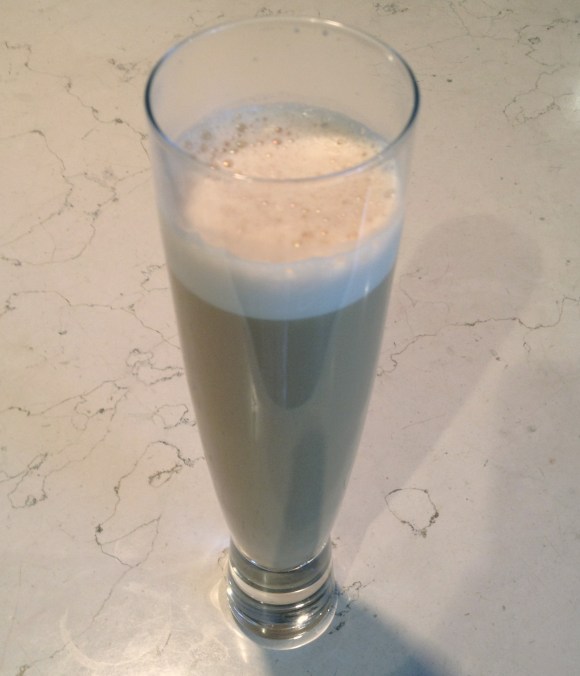
Better: throw it in your Vitamix or blender, and blend until it turns a homogenous caramel colour with a beautiful latté foam on top. I mean, come on! The latté photo below is made without milk – just coconut oil and butter in black coffee. Creamy, right?

buttercoffeeTo be clear, The Bulletproof Executive has a much more refined way of doing this. He uses his own proprietary extremely high quality coffee which is guaranteed free of toxins and mould, and then he also uses his own proprietary MCT (Medium Chain Triglyceride) oil which is slightly more “fat burning” than coconut oil, in that it promotes ketosis more readily. He has really thought this out, and uses it as a “cheat” for intermittent fasting. His theory is that if you limit your solid eating to between the hours of 2pm and 8pm and fast the rest of the time, your body reaps crazy benefits in longevity, energy, metabolism, healing and whatnot. The way he “cheats” is by allowing as much grass-fed butter, MCT oil and coffee as he wants before 2pm. But he would never add milk because that would stimulate digestion and defeat his purpose. And I think he opposes dairy. It is impossible to be hungry if you are downing all your calories directly from tablespoons of pure fat; your caloric requirements are met. (Though all your other dietary requirements are not met – so if you follow his regimen you better be sure to cram nutrient dense foods into your 6 hour eating window).

I am intrigued by the intermittent fasting, and think it should probably find its way into my life for one day every week or something. It’s probably not a great regimen if you are trying to get pregnant, already pregnant, nursing etc. (Though eating high fat is a great regimen).

BUTTER COFFEE IS FOR ME

Try it. You’ll like it. But if you don’t have grass-fed butter, just use the coconut oil and deal with the oil slick on top. It’s not worth doing this with organic or conventional butter because of all the grain the dairy cows ate. If you just don’t like coffee or you think you should avoid it, you can add grass-fed butter and coconut oil to The Crazy Hot Drink, to unsweetened hot cocoa (preferably raw cacao) or just about any earthy tea – unsweetened chai would be great.

Also remember that FAT + SUGAR = sick and fat. If you’re going to embrace fat, and it’s about time you did, you’ve got to kick sugar to the curb.

Tagged , , , , , ,

Managing Stomach Acid? This Is For You

Managing Stomach Acid: This Is For You

“Let food by thy medicine and medicine by thy food,” sayeth the great old Hippocrates. And while I couldn’t agree more, what if that food is not being digested properly? Or if the healing foods are giving you so much acid reflux that you feel like you are just biding your time until esophageal cancer strikes?

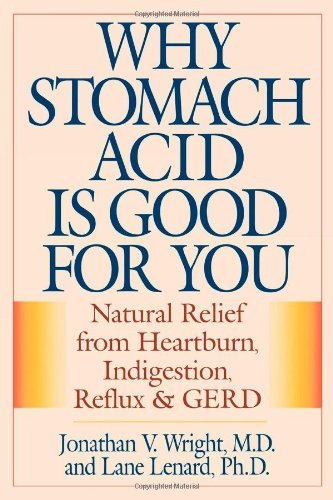
I ordered this book, Why Stomach Acid Is Good For You: Natural Relief from Heartburn, Indigestion, Reflux & GERD, because I can’t believe how many people I know – friends and family, young and old – who are taking daily antacids or acid-blocker medication due to mild or very serious acid reflux or GERD (gastroesophageal reflux disease). I wanted to know if there was an alternative to the party line being pumped out by pharmaceutical companies and well-meaning doctors alike.

What a surprise: there is! And not only that, but the remedy for acid reflux is – wait for it – THE EXACT OPPOSITE of what every single doctor or advertisement is telling you to do.

Obviously this is contrarian advice, and that is why I am drawn to it. But if I was suffering from this condition, I would not wait another minute before reading this book. This is the real “second opinion” that you need to get for yourself and your best health.

The cause of acid reflux, where stomach acid leaks up through the Lower Esophageal Sphincter (LES) and burns the delicate lining of the esophagus, is not an overabundance of stomach acid. Instead it is an underperforming LES due to low stomach acid. When the stomach acid is too low, it lets the LES be lazy – which allows leaks. When stomach acid is high, the LES must be on guard and stay strong and tight, because it knows its job is to protect the esophagus from acid. If it doesn’t detect much acid, it doesn’t bother doing its job. Chronic low stomach acid leads to a very lazy underperforming LES. This can be remedied by increasing the acidity of the stomach acid through time-tested methods like ingesting bitters before meals, or with stronger medical interventions like capsules of hydrochloric acid.

Now before you start mowing down on hydrochloric acid, maybe you should take this book to a doctor or some kind of healer. Let’s not get all your information from an untrained but enthusiastic hobbyist from the internet, please.

Also, some conditions are herniated – which means the LES is not located right in the diaphragm where it should be, but has been squeezed up above where it cannot benefit from the muscles of the diaphragm to help keep it closed. These conditions probably need surgery to fix, or else can remedy on their own by losing a tremendous amount of weight. (This is what happens in pregnancy – the LES is squeezed above the diaphragm and then acts leaky until the baby is delivered and the LES has room again to gravitate back to the diaphragm. Most cases of pregnancy reflux completely disappear the minute the baby is born.)

What is so interesting is that the conventional medical response to reflux is to prescribe antacids to lower stomach acidity or acid-blockers to block acid production completely.

Creating a low-acid environment in the stomach is going to lead to a lazy LES, which will not solve the problem of acid getting into the esophagus. All it will do is neutralize the digestive juices. Which means you will not be able to properly digest food. And that just doesn’t make a lot of sense. The stomach acid is there for a reason; it’s not just some bothersome pool of corrosive liquid that you are meant to destroy.

If you remove your ability to properly digest food, and all its enzymes, vitamins, minerals, macro- and micro-nutrients, what are you left with?

A low level of health.

If this is all news to you, and you want to read more about it, please check out Chris Kessler’s great five-part series online: What Everybody Ought To Know (But Doesn’t) About Heartburn and GERD. You can thank me later.

Tagged , , , , , , , ,

Food: How To Eat It

Food-Pyramid-2012

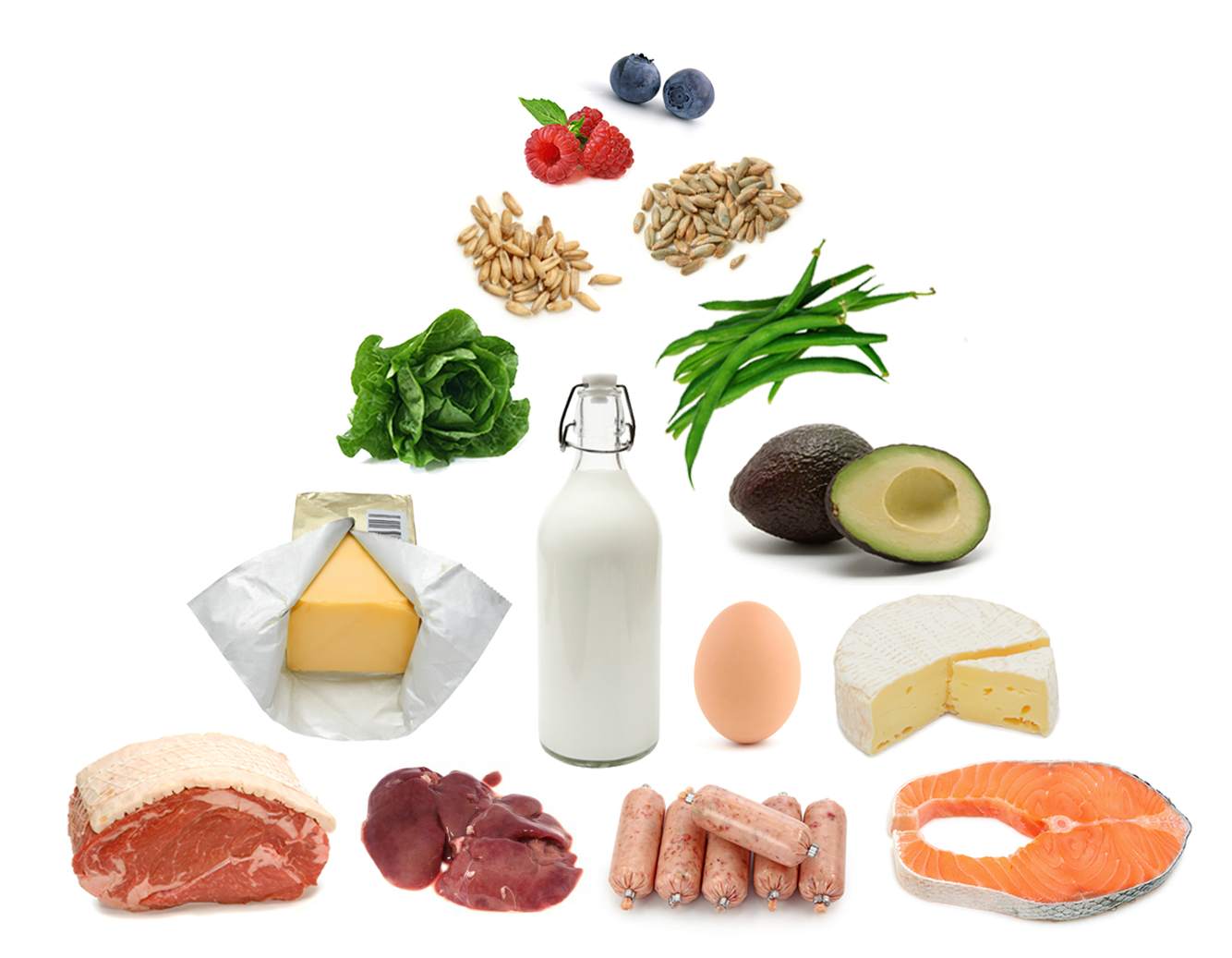
Food Pyramid by Sandrine Love on behalf of Nourishing Our Children. Copyright 2012. All Rights Reserved.

In some of my posts you may have noticed that I encourage high-fat eating, and that I discourage consuming grains and sugars. If you want a great primer on this historically proven diet for best health, look no further than this San Francisco website Nourishing Our Children.  As you can see from the image above (reproduced with permission), they have inverted the traditional food pyramid and put meats and fats at the base instead of the apex – and fruits, grains and vegetables at the apex instead of the base. Whaaaaaat?

JUST SHOW ME A SHORT LIST

  • YES to organic/biodynamic pastured animal products especially the fat and organ meats, eggs and raw dairy.
  • YES to wild-caught salmon and small oily cold-water fish like sardines and mackerel.
  • YES to other good organic fats like coconut oil, olive oil, avocado and soaked nuts (but nuts in moderation).
  • YES to organic fermented full-fat dairy like yoghurt, kefir and raw cheese (without sugar added).
  • YES to spices and herbs, nutrient-dense powerhouses.
  • YES to organic sulfurous vegetables like kale and the dark leafy greens, broccoli, cauliflower, Brussels sprouts, radish, leeks, cabbage, watercress, onions and garlic.
  • YES to other organic vegetables especially low glycemic index choices like lettuces, cucumber, zucchini, green beans, fennel etc.
  • YES to sprouts, the sprouted seeds of lentils, mung beans, chia seeds etc.
  • YES to quinoa, wild rice, chia, buckwheat and flax in moderation. Quinoa and wild rice have to be soaked overnight before preparing, and only consume less than 1/2 cup per day. Way less.
  • YES in moderation: to organic sweet potatoes, carrots and beets – especially if fermented, not pickled.
  • YES to fruits in moderation, but go crazy with organic lemons, and small in-season berries.
  • YES in extreme moderation to healing raw honey and mineral-rich maple syrup.

Looks easy enough, let’s see the details.

FOOD YOU SHOULD EAT FOR BEST HEALTH

1.  BONE BROTH. This is the number one food you need to be eating that you are not. If you are lazy, start by going to a good butcher and buy their organic broth from the freezer section.  In Toronto, I can go to The Healthy Butcher and buy “game broth” made of venison, and also beef and chicken broth.The domestic broths are organic, but not necessarily pasture-raised. If  you are less lazy, and ready to take your nutrition to the next level, you can just buy good quality bones (and chicken feet!) and make your own broth at home. Bone broth is full of readily absorbable forms of calcium, magnesium, phosphorus, silicon, sulphur, collagen, trace minerals, the building blocks for glucosamine and chondroitin, and all the amino acids to make your hair and nails strong. Make this broth a staple part of your life, drink it like tea, make soups and stews out of it and let it work its healing magic on your bones, cartilage, connective tissue – basically your whole frigging body. If you want to be even more intense, buy some organic gelatin powder and add it to your warm lemon water, make homemade (low/no sugar) jello and raw milk panna cotta, or just add it into your own broths.

2.  GRASS-FED BUTTER. Eat the butter and fat from grass-fed organic cows, preferably Jersey or Guernsey A-2 cows. Put it on all your vegetables, melt it into your mashes, add it to coffee, stir it into anything to make it richer. First of all, grass-fed butter is a great source of Vitamin K2. It is also the best source of Vitamin A, necessary for thyroid and adrenal health; abnormalities of the heart and larger blood vessels occur in babies born to vitamin A deficient mothers (ironically pregnant women are told to limit their vitamin A during pregnancy, because the assumption is that they will try to get it from a synthetic source which causes its own problems – birth defects of the head, heart, brain and spinal column). You can recognize children who eat “low fat” diets devoid of butter because their lack of Vitamin A gives them narrow faces, delicate skeletal features, small palates and crowded teeth. Grass-fed butter is also high in Vitamin D, which helps you absorb calcium and protects against cancers. Butter is a good source of iodine, so you can throw away your iodized table salt (I hope you already did).  In addition, butyric acid in grass-fed butter heals the gut; lecithin metabolizes cholesterol; lauric acid heals fungal infections and candida. Just eat it: it won’t make you fat and it won’t lead to heart disease or cancer. It will do the opposite. I bring in Kerrygold butter from the States (pastured Irish butter), or Organic Valley pastured butter from the States (pastured butter only available in the summer and fall) and hoard it in my freezer. There are no retail options in Canada for pastured butter, but it exists if you don’t mind hanging out in a dark alley for a spell. I might just be that witchy, and I use my raw, pastured butter liberally like precious medicine.

3.  COCONUT OIL. Use it for all your low and high heat cooking. It has a high smoke point, is shelf stable so will not turn rancid or denature with heat (won’t make itself a trans-fat like most vegetable and seed oils when heated). More importantly, it is the highest natural source of lauric acid aside from breast milk (more than grass-fed butter), which targets and disrupts the fat membranes of invasive fungus, bacterias and yeasts such as Candida albicans, and lipid-coated viruses like herpes, measles, influenza, hepatitus C and HIV. In addition, coconut oil cleanses the digestive system, stimulates the metabolism and reduces appetite. I eat at least 2 TBSP every day; the first one is usually melted into my morning espresso or in The Crazy Hot Drink. Also feel free to enjoy full-fat coconut milk, meat and flour.

4.  PASTURED EGGS. These can be hard to come by. Talk to a farmer, make sure the hens are rotated on grass that has been previously occupied by cud-chewing cows so that the hens are eating bugs and worms in addition to grass and feed supplements. In Toronto at Whole Foods and Fiesta Farms I can buy Hope-ECO Farms Small Flock Eggs, a co-op where no chicken farm can have more than 500 chickens – which suggests the hens have a more dignified life and real access to the outdoors (not just “cage-free” designation, which only suggests there is an access door to the outside, not that it is used). Fiesta also just started carrying the Hope-ECO Small Flock duck eggs.

5.  OMEGA-3 ESSENTIAL FATTY ACIDS FROM FOOD. Get these from wild-caught salmon (Coho, Chinook if you are Canadian), and other small oily cold-water fish like sardines, mackerel and herring. Also: organ meats, yolks from pastured chickens (but always eat the whole egg), walnuts provided they have been soaked overnight (then dried if you prefer). And let’s not forget the shellfish, which are brimming with vitamins and minerals: crab, oysters, mussels, squid. Omega-3s reduce inflammation in the blood vessels, joints and organs; they reduce risk of heart disease; ease symptoms of rheumatoid arthritis, asthma, ADHD, depression, Alzheimer’s and dementia; they support pregnancy and fetal brain development. Skip the flax seed oil because it is so high in Omega-6 EFAs that they outweigh the benefits. Omega-6s will essentially bind to the same receptors as Omega-3s in the body, so you have to compensate for poor choices high in Omega-6 (industrial meat, industrial grains, industrial oils) with extra high doses of Omega-3 to get back to a preferable ratio. (The body likes to be between 1:1 and 1:5 for Omega-3:Omega-6). Note that I did not say to ingest Omega-3 supplements; there is high likelihood that they are rancid/already oxidized and will cause more bad than good, in the form of inflammation.

6.  ORGAN MEATS. I’m talking liver, kidneys, tongue and brains for the more adventurous. You have to get these from a high quality butcher or directly from a trusted farmer because the organ meats of industrially farmed animals are a nightmare – all the toxic antibiotics and accumulation of diseases are fouled up in them. But if you can find your way to a grass-finished cow, then get some of its liver; if you don’t like the taste on its own – then cut it up into small pieces and bury it in a stew or meatloaf.  My grandparents always served me “steak & kidney pie” on Sunday nights. You can still buy it at Summerhill Market in Toronto. You can similarly sneak some kidneys into a meatloaf or stew. They look like button mushrooms – but they don’t taste like them!!! Tongue can be purchased as a prepared luncheon meat; it is salty like corned beef hash. Or go ahead and try preparing pickled tongue. Lamb’s brains are the most available brains, who knows why. Nourishing Traditions suggests “baby’s first solids” should be barely warmed lamb’s brains mixed with a slightly runny egg yolk. Or try this brain custard: YUM!?

7.  SULFUR. The Bible called it Brimstone. It’s what makes hot springs stink. But it is an essential element that regulates blood sugar, boosts disease resistance, eases aches and pains and detoxes the body. You find it in: egg yolks, broccoli, cauliflower, kale and the other dark leafy vegetables, Brussels sprouts, cabbage, watercress, radish, leek, onion, and of course garlic.

8.  PROBIOTIC FOODS. Eat whole fat organic fermented dairy like yoghurt, kefir, and RAW cheeses. Raw cheese is legally available in Ontario at good cheese shops (even Whole Foods has about 20 options). Eat sauerkraut and other fermented vegetable sides and condiments like fermented beet relish and gingered carrots. Take probiotic supplements if you are not eating these things religiously.

9.  VEGETABLES, BUT ESPECIALLY LOW GLYCEMIC INDEX VEGETABLES, LOW IN OXALATES. The best choices are lettuces, cucumbers, green beans, celery, bean sprouts, zucchini, asparagus, turnips, rutabagas, peas. Enjoy organic vegetables of different colors, but go easy on the nightshades (tomatoes, peppers, eggplant and definitely no potatoes), and be mindful of the oxalates in Swiss chard, spinach, collard greens, rhubarb (if you boil and discard the water, your calcium absorption won’t be as compromised).

10.  SPICES AND HERBS. Cayenne, ginger, turmeric, cinnamon, cloves, pepper, mustard, nutmeg etc. Parsley, cilantro, rosemary, oregano, thyme, chervil, chives, etc. These are powerhouses of nutrients, minerals and medicines.

11.  NUTS AND SEEDS. These should be enjoyed in moderation, and not as a staple carbohydrate to replace your breads and pastas. Keep in mind that just like grains – nuts and seeds are high in enzyme inhibitors and toxic protective layers like phytic acid. Their nutrients are locked up inside, and can only be released by soaking and/or sprouting at least overnight. It will vary per nut or seed. You may want to use the soaked product to make a nut or seed milk, or as the base for another substitution recipe or baked good, or you may just want to dehydrate them and store for a snack. Best seeds are: chia, pumpkin, sesame, sunflower and hemp. Best nuts are: walnuts, almonds, pecans, cashews and macadamia nuts. But don’t forget about having a single delicious Brazil nut every day to get your selenium. Also, nuts go rancid really quickly! Most of the commercially salted and honeyed nuts are flavored so that you won’t notice their rancidity. In fact, chances are you might have just grown up with rancid nuts and you don’t notice. What do rancid fats do? Bad things! Like contribute to inflammation, heart disease and cancer! Buy fresh, raw nuts and keep them in the fridge. Soak them, dry or dehydrate them, and then keep them in the fridge some more (though now they are more stable at least). Nuts and seeds are high in Omega-6, so they might add to inflammation if you are eating too much of them or not balancing with adequate Omega-3.

12.  LEMONS, LIMES. These are  low-sugar fruits that alkalize the tissues and give you some vitamin C. Squeeze some in water every day; sometimes soak the lemon rind and eat it! (You can get similar benefits, minus the vitamin C, for a fraction of the price from ACV.)

13.  FERMENTED COD LIVER OIL SUPPLEMENTS. Take these from a trusted source to provide a perfect balance of Vitamin A, D, EPA, DHA in a whole food form. Combine it with butter oil for a Vitamin K2-A-D trifecta. This is different from taking “fish oil supplements” or even traditional cod liver oil, which I am on the fence about. Fish oils are very unstable, like all the other polyunsaturated oils like canola and flax seed oil. Being unstable means that they oxidize very quickly, which results in rancidity and also free-radical damage and inflammation in the body. To solve this problem, ancient cultures collected the oil from cod livers and then fermented it in barrels; the fermentation of the oil improves it and stabilizes it.  But it does nothing for the flavor – ugh!

14. SEA SALT. I cannot emphasize this enough – eat sea salt! It is full of minerals your body is absolutely craving: magnesium, sulfate, calcium, potassium, bicarbonate and varying micro-nutrients depending on what sea bed your salt came from. Adding sea salt to your body restores alkaline/acid balance and improves digestion.  Low-salt diets cause way more problems than they prevent, like heart disease and thyroid issues. Having said that, DO NOT DO NOT ingest industrial table salt or industrial products that are full of it. The Mayo Clinic claims all salt is the same and that you shouldn’t eat it. Maybe it’s time to stop listening to the Mayo Clinic. Some people still won’t get enough magnesium just from sea salt, so I recommend soaking in Epsom Salt baths and using a topical Magnesium Oil.

15.  SMALL IN-SEASON BERRIES. What I mean is if you live in Ontario and your wild blueberry season is August, then that’s when you eat them. Go crazy! But when your season is over, it’s over. (Unless you cheated/planned ahead and froze some!)

16.  FRUIT IN MODERATION. Let’s take it from an apple-a-day to half an apple apple every other day. They are still filled with fabulous pectin which moderates how its sugar is absorbed. Enjoy stone fruits in season, but be mindful of how sweet they are. Go really easy on the tropical sugar bombs: bananas, mangoes, papayas, dates, figs, guava, pineapple etc. I mean, treat them as a very special dessert. And fruit juice has absolutely no role in your life.

AVOID THESE COMMODITIES: THEY ARE NOT FOODS!

1.  SUGARS. This includes white sugar, brown sugar, corn syrup, HFCS products, agave etc. I will admit that I have a few cheats on hand – raw honey, maple syrup and coconut palm sugar. And when I use those sugars, I try to use half the amount required in a recipe and beef up the other half with stevia leaf powder (I have found that stevia leaf on its own is unsatisfactory, but when combined with honey, maple syrup or coconut sugar – it just augments the natural flavor in an acceptable way.) I tried using Xylitol even though it is a seriously refined industrial product, but it gave me a lot of gas and cramping. No thanks!

2.  GRAINS. This includes wheat products like bread and pasta, rice – both brown and white, rye, barley, millet, “gluten-free” products which generally have a higher glycemic index and are higher in sugars, ancient grains like sorghum, spelt, amaranth, einkorn etc. If I’m going to indulge, I give a green light to 1/2 cup soaked and cooked quinoa which at least has all the amino acids so is a complete protein. Go ahead and read Wheat Belly for more information about how grains make us hungrier while at the same time deplete us of nutrients, and then addict us to the cycle.

3.  STARCHY VEGETABLES. I’m talking about the American sweethearts: white potato and corn. They just raise your sugar levels too high! Whereas sweet potatoes, beets and carrots are so rich in vitamins that they can be enjoyed in moderation. Especially with grass-fed butter! Or fermented, which eats up a lot of their sugars.

4.  BEANS AND LEGUMES. It’s still all about the sugar. Okay, okay, if you really want to soak these overnight (at least) with some ACV or some kombu (seaweed), and then drain off that water and boil the beans/legumes a long time – fine. You can enjoy these in moderation, but not more than 2 cups/week combined.

5.  PHYTATES. This is another way of telling you to avoid grains, beans and legumes, which are full of phytates. But so are nuts. And so are some vegetables (spinach, taro, cassava). Phytates bind with essential minerals (iron, zinc, calcium, magnesium)  in your food and bloodstream, and can leach minerals from your bones. Almost everyone who eats a lot of grains/beans/legumes is also low in iron (among other things). So if you are going to eat some grains, beans, legumes and nuts – don’t just eat them off the shelf, prepare them properly. Soak them overnight with some kombu (seaweed) and a TBSP or so of some kind of acidic medium like ACV, buttermilk, kefir, whey, yoghurt in a pinch, or some previous soaking water from the same kind of grain/bean/legume/nut if you happened to save it in the fridge. Pour off this phytate water (or save some for your next round of soaking – it is also full of the enzymes that will help break down phytates.) And then prepare your grains/beans/legumes as directed. Believe it or not, oxalate-rich spinach is best boiled, not eaten raw – you’ll sacrifice some water soluble vitamins but not all of them. It’s not the end of the world to get some phytates in your diet, as they have some antioxidant properties and can act like dietary fiber in the colon. But believe me, you’ll get them without even trying.

6.  VEGETABLE AND SEED OILS. Basically avoid all modern commercial vegetable  and seed oils and their cousins the artificially created trans-fats, like vegetable shortening and margarine. It doesn’t matter if the Heart Association or some other organization has a seal of approval on the package or it claims to be “heart healthy”. It’s not! Can you believe the whole world would lie to you like that? Well it happened. The ratio of Omega 6: Omega 3 in these products can get up to  50: 1, which leads to trouble.  As if that weren’t enough, almost all the commercial vegetable oils are GMO and the very worst offenders are canola and soy.  Polyunsaturated oils are unstable, which means that they are almost all rancid even as they sit there on the store shelf. Imagine how much more damage they do once you take them home, open up the bottles, and leave them in your cupboard for a few months. Rancid oils are oxidized and full of free radicals which cause inflammation among a million other life damaging effects.  But sometimes you just need an oil for cold applications. Stick with single-estate, preferably biodynamic extra virgin olive oil – which does have a myriad of health benefits so long as it is not a cheap, rancid variety conflated with “other oils”. For all other hot applications, stick with coconut oil, grass-fed lard, tallow, ghee or butter. Saturated fats are very safe and stable, and protect your body and brain from the effects of cortisol, estrogen and other problems of aging.

7.  MODERN UNFERMENTED SOY PRODUCTS. Full of phytoestrogens – hormone disrupters which cause endocrine damage and can lead to infertility and possibly increase risk of breast cancer in women. The phytates in soy cannot be broken down with soaking, sprouting or heating, so this causes nutrient absorption problems. Almost all soy is now GMO thanks to cross-contamination. So that happened. I’m calling for a big pass on soy milk, soy milk lattées, obviously all packaged food made with soy protein isolate or soya oil. But go ahead and share some boiled edamame with friends from time to time. Sure, try some traditionally prepared tofu or tempeh if you are out at a Japanese restaurant. And definitely try natto if you are crazy enough! Just don’t fall for the “soy=healthy” hype; it’s just a cheap industrial product with a gigantic marketing and lobbying budget. Don’t make modern unfermented soy foods a part of your routine.

8.  COMMODITY PROTEINS. The ratio of Omega 6:Omega 3 in industrial beef, pork and chicken, and dairy and eggs is totally overweighted to the Omega 6s thanks to a feedlot diet of acidifying grains and pharmaceuticals. Eating these products will increase your inflammation and lead to disease. Just because your grocery store meat is organic doesn’t mean it isn’t eating a feedlot diet of industrial “organic” grains. You’re going to have to get to know your butcher, or join a meat CSA or get info at a farmer’s market. That’s the only sure way to know you are getting food and not a commodity.

9.  FARMED FISH. I remember reading somewhere that farmed Tilapia has a worse nutritional profile than a doughnut. Personally, I’d rather splurge on a doughnut than a toxin-loaded slab of commodity fish. Again, the Omega-6 weighting is completely out of whack and leads to inflammation. I’m going to throw “fish oil supplements” into this category too. Let’s just avoid those as their delicate oils are unstable and become rancid very quickly, leading to the same free radical damage and inflammation that all the other polyunsaturated oils cause.

10. HOMOGENIZED, FAT-REDUCED DAIRY. Homogenization is a mechanical process that changes the shape of the fat molecules in milk – they become smaller and are no longer processed cleanly by the digestive system; instead they directly enter the bloodstream and react against arteries and soft tissues and contribute to heart disease. Industrial milk is pasteurized by law, which denatures the proteins and kills all of the enzymes that would otherwise help you digest it easily. Skim milk is even less of a whole food because it has none of its fat which would help digest all those fat-soluble vitamins milk is famous for (which ironically are just synthetically fortified at this point, and even less digestible). However to keep skim milk from looking green and to give it a creamy mouth-feel, powdered denatured milk protein is added back. All this casein without its fat is toxic to the system. The body recognizes whole foods, but is inflamed and acidified by these industrial conflations. If you can’t access raw dairy or it’s too much of a hassle because of the contrarian laws in your area, choose organic UNHOMOGENIZED WHOLE FAT MILK and dairy. But go easy on it. Failing that, just dilute organic cream or make your own nut milk.

But don’t be a jerk. If someone invites you to dinner and lovingly prepares a meal of commodity beef, grains and sugar, just eat it! No one wants to hear about your food beliefs of the week; save it for your blog. Shared meals should be a time of celebration and communion, so don’t ruin them with your politics. Use some sense, people.
Tagged , , , , , , , , , ,

Substitution: Hot Sauce

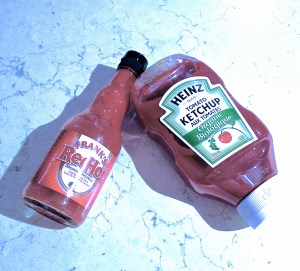
hot sauce vs ketchupWHAT’S SO WRONG WITH KETCHUP?

On the one hand, good old fashioned ketchup is full of lycopene, the antioxidant from tomatoes that only becomes bio-available after cooking. But on the other hand, the third ingredient in organic Heinz ketchup (after organic tomato paste and organic white vinegar) is organic sugar. This adds up to 5g sugar per tablespoon, which is a lot when you consider my daughter easily eats 3 TBSP every time she sits down. Every tablespoon of ketchup has the same amount of sugar as Lindt chocolate ball, and honestly, wouldn’t you prefer to eat your sugar as a chocolate ball? 3 tablespoons of ketchup has more sugar than an ENTIRE BAR of Lindt 90% cacao chocolate – all 10 squares! Please, don’t waste sugar by eating it as a condiment.

Most non-organic commercial ketchup is made with High Fructose Corn Syrup (HFCS). Obviously you are going to avoid that wherever possible.

I have tried to replace the contents of the ketchup container with a brand from the health food store that uses raw honey as its sweetener, and got no complaints from my family. Though naturally they would have complained if they knew.

One of these days I will make this fermented ketchup recipe from Nourishing Traditions, even though it’s still pretty sweet (though sweetened with maple syrup). I have also seen it made with stevia, but never tried it myself. Obviously any homemade version would have to be smuggled back into a familiar Heinz bottle.

Changing other people’s habits is a work in progress, but I can still do something about my own. So here’s what I have done to avoid ketchup:

SUB HOT SAUCE FOR KETCHUP

It’s that simple. Every time I want to use ketchup, I use hot sauce instead. It doesn’t have any sugar or carbohydrates. If you are already starting off your day with The Crazy Hot Drink, then your body is probably craving spicier foods than you are used to. So give it a try. I started on Harissa, a Middle-Eastern condiment made from roasted red peppers ground with spices, sea salt and olive oil (do NOT use condiments made with soy/corn/canola oil). Then I moved on to plain old Tabasco Sauce, as it is readily available in most restaurants.

AND THE WINNER IS

Frank’s Red Hot Sauce is mild (!) enough that I can really dump it on my eggs and if I add too much, it won’t ruin the meal. It is made of cayenne peppers, which can miraculously increase blood flow to the sickest parts of the body that need it. Frank’s does not make an organic version, which is a bummer. But it has a bright, hot flavor and you will love it! Thanks to my littlest sister for the recommendation.

But don’t worry, you can totally ferment your own hot sauce out of your own organic peppers and high quality sea salt. Check out this project!

OTHER BENEFITS: CAPSAICIN

Like cayenne powder, hot sauce is made of dried hot red peppers, so they have similar benefits as they both contain capsaicin. First of all, the spicy flavor stimulates your stomach acids and digestive juices, and also increases the mucous layer of the stomach. So this makes your digestion more efficient, but does not stimulate the appetite. In fact, the appetite can be repressed with capsaicin (which is why it is such a big part of the Master Cleanse). Secondly, the body’s response to the shocking jolt of spice is to release “natural pain killers”, or endorphins – which make you feel good like a tiny rush of opiates. And thirdly, capsaicin is thermogenic so it revs up the metabolism, and your body moves fat and glucose into the blood for your muscles to use.  It can also offer protection against some food borne pathogens – so if you are about to eat something dodgy, definitely cover it in hot sauce. Capsaicin also warms you up, clears your sinuses and reverses prostate cancer in mice.

So go ahead, put hot sauce on everything. It’s a great habit.

Tagged , , , , , , ,

Kefir: Foundation Drink No. 3

I KEEP SEEING THIS IN THE STORE

That’s right, you can now buy “kefir” at the store! Liberté Organics has a version in a plastic jug that you can drink, and it’s also flavored with strawberry or blueberry. Try this if you are new to kefir. It’s just super sweet like YOP! Enjoy, preferably last thing at night before bed.

Once you are ready to graduate to the next level, try buying a better commercial version. Here in Ontario we have Pinehedge Farms, which makes a UNHOMOGENIZED WHOLE MILK version in a glass jar. They also have a low fat version but I do not encourage low fat products.

But I put “kefir” in quotes up above for a reason. The commercial “kefir” that you buy is made from a powdered compilation of beneficial bacteria and yeast cultures – usually containing about 9 strains combined. This is “better” than yoghurt, which usually only contains one or two varieties (Lactobacillus delbrueckii subsp. bulgaricus and Streptococcus thermophilus). Just as an aside, there is a story going around that yoghurt cultures are destroyed in the stomach and never make it to the intestines to flourish, but this study suggests otherwise. The cultures in commercial “kefir” are great, and like the yoghurt cultures, they make it through the digestive tract and live to colonize the intestines. The Pinehedge “kefir” is a fantastic product, thick, creamy and great tasting, and I would be happy if you ate a 1/2 cup every night before bed so that it can colonize you in your sleep.

WHY BOTHER MAKING MY OWN KEFIR THEN?

As much as I love the Pinehedge “kefir” (or similar glass-bottled whole milk unhomogenized products), they probably don’t have more than 10 strains of bacteria in their makeup. Whereas homemade kefir from “grains” contains 29 strains of bacteria and 27 strains of yeast. Want to see the whole list? Though please note that this isn’t a more = better contest. Actually, change that. It most certainly IS A MORE = BETTER CONTEST as far as intestinal bacteria is concerned. I mean, you want more of the “good bacteria” certainly and less of the “bad bacteria”, but what you are especially looking for is diversity. This is like the rainforest – lots of options give you adaptability but a monoculture or fewer species of bacteria limit your immune system’s ability to deal with all the environmental factors you throw at it. But even beyond this great diversity of bacteria and yeasts, homemade kefir from “grains” derived from the Caucasus Mountains have an even more profound advantage. In fact homemade kefir from these grains is such a very special creation that no commercial enterprise has been able to replicate it, though they have certainly tried and tried. Wikipedia calls kefir a unique “symbiotic consortia of bacteria and yeasts”. And what is most special about these Caucasian grains is that when allowed to ferment on the lactose of dairy milk, they create a substance called kefiran. And it’s all about the kefiran.

KEFIRAN

Kefiran is the polysaccharide that holds the “grains” of kefir together, and is created as a result of the unique relationships between kefir’s bacteria and yeasts. Kefiran tested on rats has reduced and eliminated tumors, induced systemic anti-inflammatory response, reduced serum cholesterol levels and suppressed increased blood pressure. In human studies, kefiran had a preventative effect against breast cancer cells without harming the healthy cells,  and it stimulated body cells to produce 14 times more Interferon-beta, a vital glycoprotein excreted by body cells to combat viral infection, and possibly combat cancer cells. Nobody has compiled the research on kefiran better than Kefir Mentor Dom Anfiteatro, who has the most comprehensive guide to kefir that exists, complete with references to every existing study.

But that two-page list of studies is all there is. Are there ongoing large-scale clinical trials on kefiran? Certainly not. There is no money in it as kefiran just cannot be made commercially. It has to be tended, like a pet, and it is very susceptible to changes in temperature, humidity and the ratios of milk to grains. Is this the inexpensive low-tech answer to curing cancer? I don’t know, but it doesn’t cause any harm (unlike all cancer medicines and conventional protocols),  and costs no more than good quality milk, some cool glass jars with flip-tops and a one-time purchase of grains (under $20 unless you can get them from a friend for free).

YEAST, YUK! RIGHT…?

I get it, you just spent  months on a Candida Cleanse to get rid of your yeast overgrowth, which was characterized by sharp pangs in your stomach (intestines) every time you ate too much sugar, and also by an anti-intuitive out of control craving for that same sugar. You cut out sugar, bread, beer, brewer’s yeast, fermented products of all sorts. So how on earth can it be beneficial now to ingest more yeast?

Well the 27 yeasts in kefir are generally “the good yeasts”! And they will fight off “the bad yeasts”(Candida albicons) that are controlling your sugar appetite and leading to yeast overgrowths. For this reason, sometimes when people start taking kefir, the new yeasts cause a die-off of the old yeasts, called a Herxheimer reaction. These dying Candida albicons can produce up to 79 short-term toxins and be kind of unpleasant (headache, fatigue, bloating) until they are all eliminated. One way to avoid this is by initiating your kefir protocol slowly, like a few TBS at night, and then only over a week or two work up to 1/2 cup or more. If you get constipated, you have taken too much too soon.

stovetop kefir

WHAT WILL IT DO FOR ME? BIG PICTURE

People, let’s start with the problems you don’t know you have yet. Consider that all auto-immune diseases start in the gut. Check out the long, long list of auto-immune diseases. You don’t have any yet? Well your mom or your uncle probably does. And I’m sorry to say this but on a Western diet, they’re coming for you. And what about allergies? If your gut health isn’t optimal, meaning if you don’t have the best balance of beneficial bacteria colonizing your intestines, then the walls of your intestines are leaking partially digested foods directly into your blood where they act as toxins. These toxins affect both your psychology and your physiology. There is a name for this occurrence, it’s called the Gut and Psychology (or Physiology) Syndrome – shortened to GAPS, and coined by Dr. Natasha Campbell-McBride.

Haven’t heard of GAPS yet? Have you heard of Leaky Gut Syndrome? It’s not exactly recognized by the conventional medical establishment, but it is understood to be the pre-cursor to every auto-immune system. Leaky Gut Syndrome is not a side effect that the medical establishment can treat with commercial drugs, so it doesn’t seem very interesting to them, and nor is healing the gut. In our system, a drug comes first and then an illness is discovered and marketed to sell the drug. The economic problem here is that it is drugs themselves, especially antibiotics, that create imbalances in the gut and harm it. But all that is an aside.  I am here to tell you that healing the gut is EVERYTHING.

WHAT WILL IT DO FOR ME? SMALLER PICTURE

Kefir is high in tryptophan, so has a tranquilizing effect on the nervous system and can help you get to sleep as well as ease depression and ADHD. It is easily digested, balances and cleanses the intestines with beneficial bacteria and yeasts, and builds up the immune system. The fermentation process creates complete proteins, reduces carbohydrates by pre-digesting sugars and lactose, boosts levels of B Vitamins – especially B12 and folic acid, and in particular creates the important Vitamin K2.

When you take kefir regularly (I prefer at bedtime when it has the best chance of colonizing the intestines) it will reduce gas, promote regular bowel movements and eliminate bloating and other intestinal issues.

ALREADY CONVINCED? WELL TRY MAKING IT

There are so many great sites online that show you how to make kefir. Let me direct you to Dom’s Kefir-Making Site, where he has step by step instructions with photos. If all that info is too much to handle, look at these simpler instructions at Nourished Kitchen.

WHAT I DO

I use 2 glass flip-top jars for the first fermentation and the second fermentation. I use a steel strainer and a wooden spoon. I use raw (unhomogenized organic whole fat) milk that I get in an alley from a cow that I share (thanks for the hassle, Ontario!). I also use lemon peels and sometimes basil leaves for the second fermentation.

FIRST FERMENTATION: WITH KEFIR GRAINS

  1. Before bed, I put a small handful of kefir grains in a flip-top 1 L jar and fill about 3/4 full (3 cups of milk). This is a very high grains to milk ratio, but I have a lot of grains and not a lot of room to store milk.
  2. I put the sealed jar into a dark cupboard, because that is convenient for me. A countertop is fine. When I remember and pass the cupboard, I give the jar a gentle shake.
  3. In the morning, about 12 hours later, I check the kefir. The milk is usually still runny, and it hasn’t thickened or shown signs of “legs” on the glass when shaken.  I put it back in the cupboard.
  4. Usually between 3pm and 6pm, the kefir has started to look like it is thickening up. But I usually don’t have time to deal with it right away. So I move it to the fridge until bedtime, to slow it down.
  5. At bedtime, let’s say 9 or 10pm, I take the kefir out of the fridge and check again to make sure it is ready. Usually the fridge seems to thicken it a bit more, I think because a different form of bacteria is allowed to propagate at the cooler temperature.
  6. At this point if it is ready (has legs, is thick) I pour it through a strainer into a bowl, stirring with a spoon to separate the grains from the kefir.
  7. I put the kefir grains back into the same flip-top jar without rinsing them or the jar (I rinse the jar every 3 or 4 turns), and fill back up with milk, then put the jar back into the cupboard to repeat at step 2 above. This jar is called THE FIRST FERMENT.

THE SECOND FERMENTATION: WITHOUT KEFIR GRAINS

  1. I pour the freshly strained kefir from the bowl into a second glass 1L flip-top jar, and add about a 1/4 of a lemon peel. Sometimes I add a basil leaf as well, or bee pollen and royal jelly. This jar is called THE SECOND FERMENT.
  2. I seal up this jar and put it into the cupboard next to the first ferment. And then I go to sleep.
  3. In the morning, I check both jars and maybe shake them a bit. I am checking for thickness, legs, or separation.
  4. Usually between 3pm -6pm, both the first ferment and the second ferment are ready or almost ready, so I put them both in the fridge. Again, the fridge just makes them a little more drinkable to me, a little smoother and creamier.
  5. At bedtime, I take out the second ferment and check it for doneness. Now is a great time to drink it! It should be bubbly like champagne, slightly tart from the sourness of the milk, zesty from the lemon and/or basil, and mild (to my taste anyway). It should not taste or smell revolting or overly sour. It should definitely not taste or smell like rancid milk.
  6. At this point I usually rinse or don’t rinse the second ferment jar, and pour the strained kefir from the first ferment into it. Etc.

grainsIt’s great when it all works like this, because I like to be able to drink my kefir at night, and do all the work at the same time. However sometimes it’s just not ready in time, and I have to wait until morning. Sometimes I wait until morning and then it has gone too far – characterized by separating into curds and whey. (If this happens, you can then strain the kefir through a cheesecloth and make cream cheese from the curds and drink the whey separately). Sometimes if it has only separated a little, you can put the jar in the fridge and it will sort of “come back together”. The fridge seems to smooth out a lot of human error, I find.
A NOTE ON JARS

You can do this in mason jars, so long as you don’t make them too tight. The fermentation process produces CO2 which can cause the jar to explode. But the problem with a loose mason jar lid is that it also lets random yeasts and bacterias in, which changes the final product (can make it extra sour etc.). The best results happen in an air-lock jar where the carbon dioxide can get out but nothing can get in. You can see every method of jar tested here, on 28-day sauerkraut. Even better results happen when there is a bit of pressure on the jar, but not enough to burst it. Which means you don’t have to spend big money on a fancy Pickl-it jar, as any old Fido or European brand of glass flip-top jars will do. Ikea jars, not so sure. Let’s leave the Chinese glass in China.

Tagged , , , , , , , , , , , , , , ,

Lemons All The Way

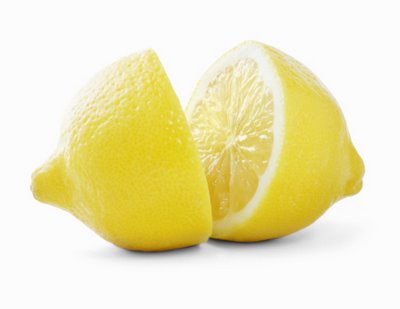
We all know about squeezing lemons into water and then downing the resulting drink as an alkalizer. But as I mentioned in my post about Apple Cider Vinegar, organic lemons are expensive and it seems kind of wasteful to just squeeze out a few tablespoons of juice and then throw the rest away.

Lemon

BUT SOME PEOPLE EAT THE WHOLE LEMON!

What?  That’s impossible!

Or at least gross!

Well I am here to tell you that I have figured out a way (thank you internet) to eat a whole lemon and it is soft, yielding, delicious, invigorating and has a host of other benefits.

HERE’S WHAT YOU DO

1. Carefully wash your organic lemon to make sure there are no waxes or residues on the rind.
2. Cut the lemon in half, squeeze each side into a cup and reserve the juice.
3. In a separate cup, fill with appropriate water and drop in the two spent lemon halves. Keep these lemons soaking in the water for at least 8 hours, either on the counter or in the fridge. Overnight is best.
4. Check on your cup of soaking lemons. Pull out one half and take a tentative bite… Not as sour and bitter as you thought, right? Kind of awesome hmmm?

WHY OH WHY SHOULD I DO THIS?

  • Detoxifies the body
  • Decreases tissue acidity / alkalizes the system
  • Enhances immune function
  • Promotes liver health
  • Assists with hormonal balance
  • Nourishes and strengthens cells and cell membranes
  • Improves and normalizes digestive health

More specifically, the oils in the peel provide essential fatty acids that boost immune function, benefit cell integrity, and improve skin quality. Specifically in the peel: D-limonene has anti-cancer properties; pectin helps emulsify oils and chelate toxins from the large intestines; oligomeric proanthocyanidins are antioxidants with powerful antihistamines.

But… don’t do this every day. Lemon peels are really high in oxalates, which are great for detoxing but they can also steal and bond with calcium, magnesium and iron from the body,which form crystals that can turn into painful kidney stones. So if you already have kidney problems, this is probably not for you. Same for anyone with gout or rheumatoid arthritis, most likely.

WAIT A MINUTE WHAT SHOULD I DO WITH THE RESERVED LEMON JUICE?

Right. You might have noticed in the recipe above that I asked you to reserve the lemon juice. Why not put it in a small mason jar with a lid, fill to the top with appropriate water, and then add 1/8 teaspoon of dried cayenne pepper. Now replace the lid, shake it up, and sip it if you can! The Master Cleanse and just about every “juicing” program makes a version of this with added maple syrup or agave (no thanks) to “rev up” the metabolism. But I just don’t need the added sugar and carbohydrates, and nor do you. (However if you want to add warm water and substitute coconut oil for the maple syrup – I’m back on board).  For sure this is a next level drink, and if you can get used to it – what a rush! I love it, seriously.

FINAL THOUGHTS

Google will show you all sorts of links between cancer prevention, tumor reduction and eating whole lemons. But let’s go to Snopes to break down the myths from the research. And then also remember that there is never going to be any serious research or clinical trial that will prove that lemons can replace expensive medicines; that would be cray cray.

Tagged , , , , , , , , ,

Books: Vitamin K2 and the Calcium Paradox

There are thousands of books about what to eat, and while so many of them are essential reading, I think this one pulls it all together into a simple yet mind-blowing concept.

Vitamin K2 and the Calcium Paradox

This book is written by an Ontario (shout-out for local) naturopath, Dr. Kate Rheaume-Bleue, who became fascinated by the x-factor of Vitamin K2 and the way it has eluded our modern foods and created a huge nutritional deficit and misunderstanding.

For starters, most books about building bone density (for example let me cite “The Whole-Food Guide to Strong Bones: A Holistic Approach” by Annemarie Colbin) will talk about Vitamin K1 and totally miss or misunderstand Vitamin K2, which is completely different. These books will tell you to get your Vitamin K1 from leafy greens like kale and spinach. This is great advice on the surface, because our intestinal bacteria can convert Vitamin K1 into Vitamin K2 – so long as our intestinal bacteria is in tip-top condition (rare) and so long as we eat mountains and mountains of kale and spinach, which is probably going to degrade and disorganize our intestinal bacteria. In other words, we are not ruminants. We do not have the kind of stomachs and digestive systems that can efficiently create the amount of K2 that we need for optimal nutrition.

Now I want to step back for a moment because I hate the idea that there is a supplement out there or a specific vitamin that we “need” to fix everything going on inside us. I’m more of the school that if we start loading up on one vitamin, it is just going to throw our other vitamins and minerals out of whack and cause greater problems. So in general, I want all of my nourishment to come from whole foods, and not from supplements. And NEVER from synthetic vitamins and supplements, which studies have shown over and over to cause more harm than good.

SO WHY AM I SO ENAMORED WITH THIS BOOK, AND WITH K2?

Because Vitamin K2 is something that has been systematically (and let’s say accidentally) bred out of our food system by industrialization. And when we don’t get Vitamin K2 in our system, we have no way of sending calcium, Vitamin D and Vitamin A to their proper locations where they can do the most good. Vitamin K2 is the organizer, the director, and without it, calcium binds to our soft tissues instead of our bones and causes heart disease. Whereas getting K2 back into the diet literally REVERSES heart disease.

Consider what conventional health protocols have us do: take calcium and vitamin D supplements every day of our lives. Without any consideration for Vitamin K2, all this does is increase our risk of heart disease, and actually increase our risk of brittle bones, fractures and osteoporosis. The conventional advice does the exact opposite of what it intends. The conventional protocol is outright dangerous and wrong.

HOW DID WE GET VITAMIN K2 BEFORE INDUSTRIALIZATION?

There are two factors that have contributed to removing K2 from our food supply. The first is factory farming, and the second is the advent of refrigeration. Because of the efficiencies of factory farming, our livestock is treated like a commodity and eats commodity corn and grains in order to grow bigger and fatter in a shorter period of time. The resulting fats from these animals do not contain Vitamin K2. Whereas if you can get your hands on pastured ruminants and pastured eggs (the animals need to literally eat grass from weaning to slaughter, or peck at insects in the field and feel actual sunshine on their backs), you will be getting a dose of Vitamin K2 in the fats and yolks.

Another point is that when we eat conventional animal foods, we are (correctly) advised to eat the lean protein and avoid the fat. This makes sense but not because of the “message” you have been hearing: not because saturated fats are bad for you or because they will make you fat. You must avoid these fats because conventional GMO grain-fed animals have to be saturated with antibiotics and other medicines to keep them alive until slaughter on a diet that fills them with disease – all those toxins are concentrated in the animals’ fat. If you eat that fat, you are getting a dose of the worst of the worst. Whereas the fat of a pastured animal, presumably (you’ve got to take responsibility and research your own food from the specific farm and area you are from) is free of antibiotics, toxins and GMOs and is rich in Vitamin K2, the best source of Vitamin A and a good source of Vitamin D. Amazing what a difference a little natural farming can make.

My second point was about refrigeration. Obviously we all love our fridge and it has created a million conveniences for us, and even scores of nutritional benefits. However because of these efficiencies, we no longer need to culture or ferment food to keep it from spoiling. But as it happens, culturing and traditionally fermenting food is a great way to increase access to locked nutrients in our foods, such as Vitamin K2 and a host of B Vitamins.

However it depends on the ferment and the culture. Some cheeses don’t contain any Vitamin K2, some contain lots (Dutch Gouda). Fermented or coagulated tofu made from soybeans doesn’t contain any Vitamin K2, whereas soybeans fermented with Bacillus subtilis creates Natto, and contains the highest amounts of K2. (The best K2 “supplements” you can buy are whole-food versions derived from Natto).

This book is so important I’m going to go all-caps and bold and call it a FOUNDATION BOOK. This will subvert your understanding of calcium supplementation, Vitamin D supplementation, saturated fats, fermented foods and even vegetable loading, to a degree. This book will show you how the conventional nutritional guidelines are leading us down the path to disease, and how a traditional approach to eating can actually reverse the damage done.

The great news is that the body wants to heal itself, and all we have to do is feed it human-appropriate food and get out of its way.

My mother and I found this book in the spring of 2012, and read it in tandem. Almost every day we were calling each other exclaiming, Did you read the part about the something or other?! Hopefully you will have the same thrill when you read this with all your friends and relatives… (!)

Jenny McGruther at Nourished Kitchen has put together some great resources about these concepts, as well as an interview with Dr. Rheume-Bleue. You can find out next-level info like making your own K2-rich cheese at home.

Tagged , , , , , , , , , , ,

1 Banana 1 Egg

This is a crazy simple breakfast. Let’s say you’re insane enough not to eat grains or refined sugar, but you can’t live without pancakes. This will solve all your problems.

Pancakes Bubbling

Directions: mash 1 ripe banana, blend in 1 egg. Fry the resulting batter in small batches (diameter of an apple?), and flip very gingerly (I use a non-stick pan and a fish spatula). Because there is no gluten, the pancakes are not as resilient as a grain pancake. But they look great, and taste great! The banana adds so much sweetness that you really don’t need any maple syrup on top. I like to top with some whole fat kefir or yoghurt.

FLAVOR VARIATIONS

I’m going to blow your mind here, but stay tuned. Grate in some lemon zest. Add vanilla. Delicious. Or go another way and add cinnamon. No matter what, add a little sea salt. Maybe melt in some grass-fed butter or coconut oil. Add wild blueberries. Go piña colada style and add grated coconut. Or go monkey-style and spread with peanut or nut butter, and roll up like a crepe.

TOO MUCH SUGAR?

I agree. 1 BANANA 1 EGG has 31g of carbohydrate, 17g of sugar, 4g of fiber, 8g of protein and 8g of fat = 214 calories. Serves 2 essentially.

Why not stretch the recipe a little further and try 1 BANANA 2 EGGS! This variation yields the same 32g carbohydrate, the same 17g of sugar, 4g of fiber, but increases protein to 14 g and fat to 15 g = 308 calories. But now it serves 3.

I’m not afraid of increasing fat, especially if it’s in the form of whole, naturally raised, small flock eggs. The individual serving count on the enhanced recipe is roughly: 10 g carbohydrate (5 g sugar, 1 g fiber), 5 g protein and 5 g fat.

Pancake StackFor a pancake treat, this is pretty good.

It’s also a terrific way to get my daughter to eat eggs for breakfast (she’s in a no-eggs phase).

If you are doubling or tripling the recipe for a crowd (I don’t know where you are going to find a crowd of people who don’t eat grain or refined sugar, but it could happen) try mixing the ingredients in your blender or Vitamix, because then you can pour the batter directly from the blender.

You can experiment with adding any kind of nut flour and milk, but I think the thrill of this recipe is its simplicity.

ONE LAST THOUGHT

Let’s say you want to really supercharge these pancakes with protein, but you don’t like protein powder (I don’t: too processed, rancid, denatured etc). So take the 1 banana, 2 eggs, add 1tbs nut butter and 3 tbs cottage cheese right into the batter. Let’s add 1 tbs of coconut oil while we are at it. Blend it all up! Now it serves 3 more heartily, and each serving has about: 7.2 g protein, 8.3 g fat and 11 g carbohydrate (5.8 g sugar, 1 g fiber). I can’t get the ratios much better than this. They are pancakes, after all.

AND BEST OF ALL…

Delicious.

Tagged , , , , , , , , ,

ACV: Foundation Drink No. 2

APPLE CIDER VINEGAR, known to the in-crowd as ACV, is my second foundation drink, after the Crazy Hot Drink. I like to take about a tablespoon (or less if you are starting out) in a glass of appropriate water.  The taste is slightly tangy, like a weak, refreshing wine. Who doesn’t want to pretend they are drinking wine all day?

I just find that drinking water can get a little monotonous. But when I add some ACV to it, all of a sudden it is a flashy beverage! It’s my diet coke.

I have tried lots of different varieties of ACV, hoping to find an organic local version that I like. But it turns out the Bragg Organic, Raw, Unfiltered Apple Cider Vinegar with the “Mother” is my favorite.

WHEN AND WHY?

We’ve all heard that the best way to start your day is with a squeeze of lemon in a glass of water. Totally! But guess what? It gets kind of expensive to buy all these organic lemons and cut them up and sometimes forget about them. So while I love lemon in water, I save it for when I have leftover lemon kicking around, or when I am in a restaurant or traveling (let them spend the money on lemons!).

IMG_3117So instead I start the day with a glass of appropriate water and some ACV. This will restore your body’s pH balance, making it just slightly alkaline. Possibly this will give your kidneys a little breathing room. The ACV will also stimulate your stomach acid, which will help digestion. Since ACV is prebiotic, it will feed probiotics, which will strengthen your body’s immunity and gut health.

ACV should also be taken with a little water before meals, especially if you suffer from acid reflux or GERD. The idea is that the acetic and malic acids in ACV increase the acidity of the stomach, which signals the Lower Esophageal Sphincter (LES) to tighten and strengthen to protect the esophagus. Raising the acid levels actually protects the esophagus and makes digestion more efficient. This higher acidity allows your body to better absorb essential minerals that are locked in foods. By contrast, taking antacids or acid-blockers lowers the stomach pH, which sends indifferent signals to the LES causing it to weaken and allowing stomach acid to slip up through it into the esophagus in a relentless cycle of pain, discomfort, malnutrition and eventual destruction of the esophageal lining.

As well as being full of enzymes, raw organic ACV is rich in potassium (11mg/TBS), which can help relieve symptoms of the common cold, allergies, mucus and sinus congestion. Tooth decay and brittle fingernails are another sign of potassium deficiency. ACV has also been used to treat headaches, depression, joint pain, kidney and bladder issues, depression and constipation. High levels of pectin in ACV, which act like high fiber, control blood sugar and make it an ideal supplement for diabetics. Taking ACV before meals has shown to lower blood glucose in both healthy people and diabetics, reducing the need for supplementary insulin. It is also known to cleanse the organs and blood by binding with toxins and breaking them down for elimination.

HISTORY

Not only did Hippocrates, the Father of Medicine, prescribe ACV for everything, but the Egyptians were into it 3000 years ago, and there are indications it was being used to treat ailments at least 10,000 years ago. That’s a much better human record than a 6 month clinical trial.

BE SMART

Don’t drink ACV straight: too hard on the tooth enamel and linings of the mouth and esophagus. Don’t drink crazy amounts like a cup a day. Don’t get an ACV pill stuck in your throat. People did these things and it didn’t work out for them.

BONUS PROJECT

Almost finished your bottle of ACV? Still see a generous helping of “the mother”, that webby brown stuff, settled on the bottom? Then just top up your bottle with your favorite tasting raw, organic apple cider – cover the opening with a cloth and an elastic, and put it in the cupboard for 4 months. Look at what you just did! You made your own ACV, girl.

Tagged , , , , , , ,

Sardine Snacks For All

Maybe you think they are gross. But sardines are the greatest snack in the world, and it’s time to give them another shot. Here’s why:

For starters, sardines are a very tiny fish, so they carry a lower toxic load than a larger, older fish (I’m talking mercury and PCBs, people). They are lower down in the food chain, so it is considered more ethical to consume these wild fish as they are more available and replenish quickly.

Image

One can of sardines is about 90g by weight. That can is going to supply you with 135% of your Vitamin B12 for the day, 78% of your tryptophan, 68% of your selenium, 56% of your omega-3s, 44% of your protein, 44% of your phosphoros, 43% of your Vitamin D, 34% of your calcium (if you eat the bones, which you are going to obviously), 23% of your Vitamin B3 and 16% of your choline, and 8% of your iron.

Let’s go macronutrients. We’re talking 23g of protein, about 11g of fat if packed in oil (say no to canola/soy/industrial oils and yes to olive oil), and obviously no carbohydrates, sugars or fiber.

So let’s be fancy and transfer the sardines to a plate first. I eat everything – the tails, the crunchy bones, the skin. It’s even more lovely to squeeze a little lemon or drizzle some balsamic vinegar on them. Why not try harissa or hot sauce?  You just can’t go wrong.

If you are new to sardines, you might require a cracker. In this case, load some sardine onto a cracker like it’s paté. I prefer to use a wheat-free cracker like Mary’s Gone Crackers, or a low-carbohydrate version like Flackers.

The Bellevue restaurant in Toronto once served a sardine sandwich with peanut butter, sprouts and cucumber on rye. If you’re not in the area, it might be time to try it out at home – but go to the next level: skip the bread and make a nut butter and sardine lettuce roll-up.

I started feeding sardines to my daughter when she was about 18 months, so now she is used to the flavor and actually likes the idea of “sardine snacks”.

Fresh sardines are obviously delicious, and shockingly inexpensive. You can buy them at any good fish counter. They are a little larger usually, and you will have to ask to have them gutted for you. You can toss these in olive oil and lemon, and then grill them under the broiler until the skin bubbles. Again, try to eat as many of the crunchy bones as you can for the calcium content.

WARNING: fresh sardines grilled on the barbecue are incredible! But if you live near wildlife, they will freak out over the delicious aroma. We once woke up to a bear humping our barbecue. So that happened.

Tagged , , , , ,